
7 Practical Tips for Getting 7-9 Hours of Sleep
7 Practical Tips for Getting 7-9 Hours of Sleep
Getting enough sleep is one of the most powerful ways to boost your focus, memory, and overall well-being. Yet, with busy schedules, late-night screen time, and stress, many students struggle to get the recommended 7-9 hours of sleep each night. Making sleep a priority isn’t just about feeling rested—it’s a game-changer for your academic success and overall well-being.
1. Stick to a Sleep Schedule
Consistency is key when it comes to sleep. Try to go to bed and wake up every day—even on weekends. A regular schedule helps regulate your body's internal clock, making it easier to fall asleep and wake up refreshed.
2. Establish a Calming Bedtime Routine
Prepare your body and mind for sleep by following a relaxing nighttime routine. Activities like reading, journaling, stretching, or listening to calming music signal your brain that it’s time to wind down. Avoid stimulating activities like watching TV or scrolling through your phone.
3. Limit Screen Time Before Bed
The blue light from phones, tablets, and computers can interfere with melatonin production, the hormone responsible for sleep. Try to stop using screens at least an hour before bed. If you must use your devices, consider enabling night mode or wearing blue-light-blocking glasses.
4. Create a Sleep-Friendly Environment
Your bedroom should be a comfortable and relaxing space. Keep your room cool, dark, and quiet to promote deep sleep. Blackout curtains, a white noise machine, or a fan can help eliminate disruptions and create an optimal sleep setting.
5. Avoid Caffeine and Heavy Meals Late in the Day
Caffeine can stay in your system for hours, making it harder to fall asleep. Try to cut off caffeine intake at least six hours before bedtime. Additionally, avoid large meals close to bedtime, as digestion can interfere with your ability to sleep soundly.
6. Get Regular Exercise
Physical activity during the day can improve sleep quality and help you fall asleep faster. Aim for at least 30 minutes of exercise daily, but avoid intense workouts right before.
7. Manage Stress and Relax Your Mind
Stress and anxiety are common sleep disruptors. Practicing relaxation techniques like deep breathing, meditation, or gentle yoga before bed can help calm your mind and prepare you for restful sleep. Writing down worries in a journal can also help clear your thoughts before bedtime.
What If You’re Still Struggling with Sleep?
If you find yourself consistently struggling to sleep well, try these additional steps:
✔ Track Your Sleep – Use a sleep diary or an app to identify patterns that affect your rest.
✔ Seek Professional Help – If sleep problems persist, consult a doctor or counselor for personalized advice.
✔ Be Patient – Building better sleep habits takes time. Stick to your routine, and over time, you’ll notice improvements.
What If You’re Still Struggling with Sleep?
A good night's sleep is essential. Prioritizing 7-9 hours of sleep every night will enhance your focus, memory retention, and mood. Small changes in your daily routine can boost your academic performance and overall well-being.
So tonight, put away the screens, relax your mind, and give yourself the gift of quality sleep. Your brain, body, and grades will thank you!
What’s Your Go-To Sleep Hack?
Drop a comment below and share your best sleep tips! Let’s create healthier study and sleep habits together. And if you found this helpful, share it with your friends!


Meet Teacher Mala
I was born in Manila, Philippines but raised in Manila, Jakarta, and Singapore.When I was young, I hated teaching but now, I am a very passionate teacher. I have a gift for handling children. I can train any child to excel in school. My calling is to help parents train their children to be focused, responsible, and independent. I want to make a difference in children's lives.
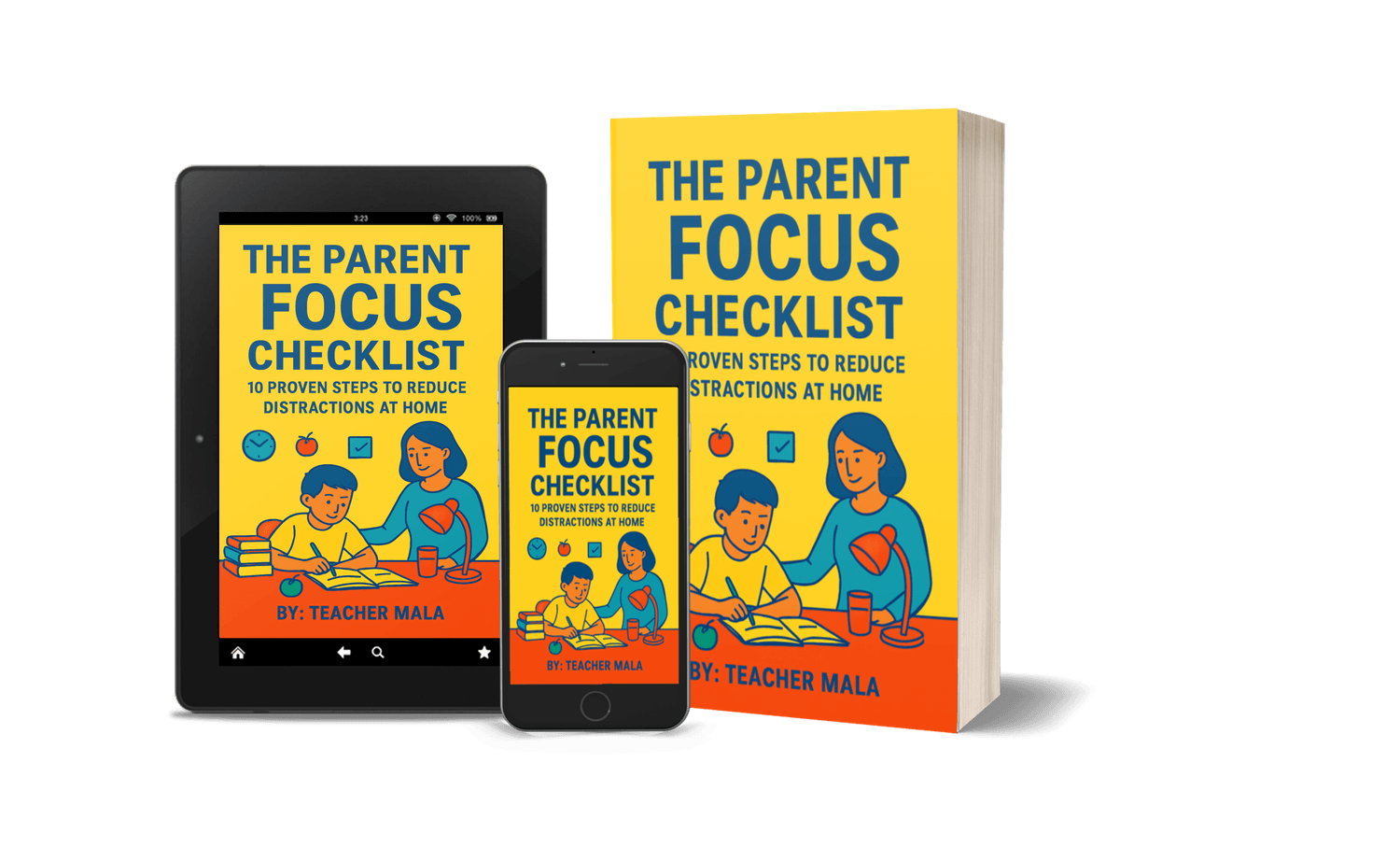
Get Your Free Parent Focus Checklist
Don’t let distractions hold your child back.
Sign up to receive your free Focus Checklist for Parents, plus gentle, practical parenting tips straight to your inbox, your step-by-step guide to raising a focused, confident, and successful child.

This site is not part of the Facebook website or Facebook Inc., and Facebook does NOT endorse it in any way. Facebook is a trademark of Facebook, Inc.
We use cookies to ensure you get the best user experience from this website.
DISCLAIMER: The information provided in the Parent Focus Checklist and on this website is for educational purposes only. Every child is unique, and results may vary depending on individual learning styles, effort, and consistency at home. While the strategies shared have helped many children improve focus and study habits, we do not guarantee specific academic results.
This resource is not a substitute for professional educational, psychological, or medical advice. Parents should use their own judgment and, when necessary, consult with qualified professionals regarding their child’s specific needs.
By using this checklist, you acknowledge that your child’s progress will depend on several factors, including but not limited to your involvement, your child’s effort, and consistency in applying the strategies.
Teacher Mala © 2025. All Rights Reserved